Badminton Titans: How India Became a Global Powerhouse
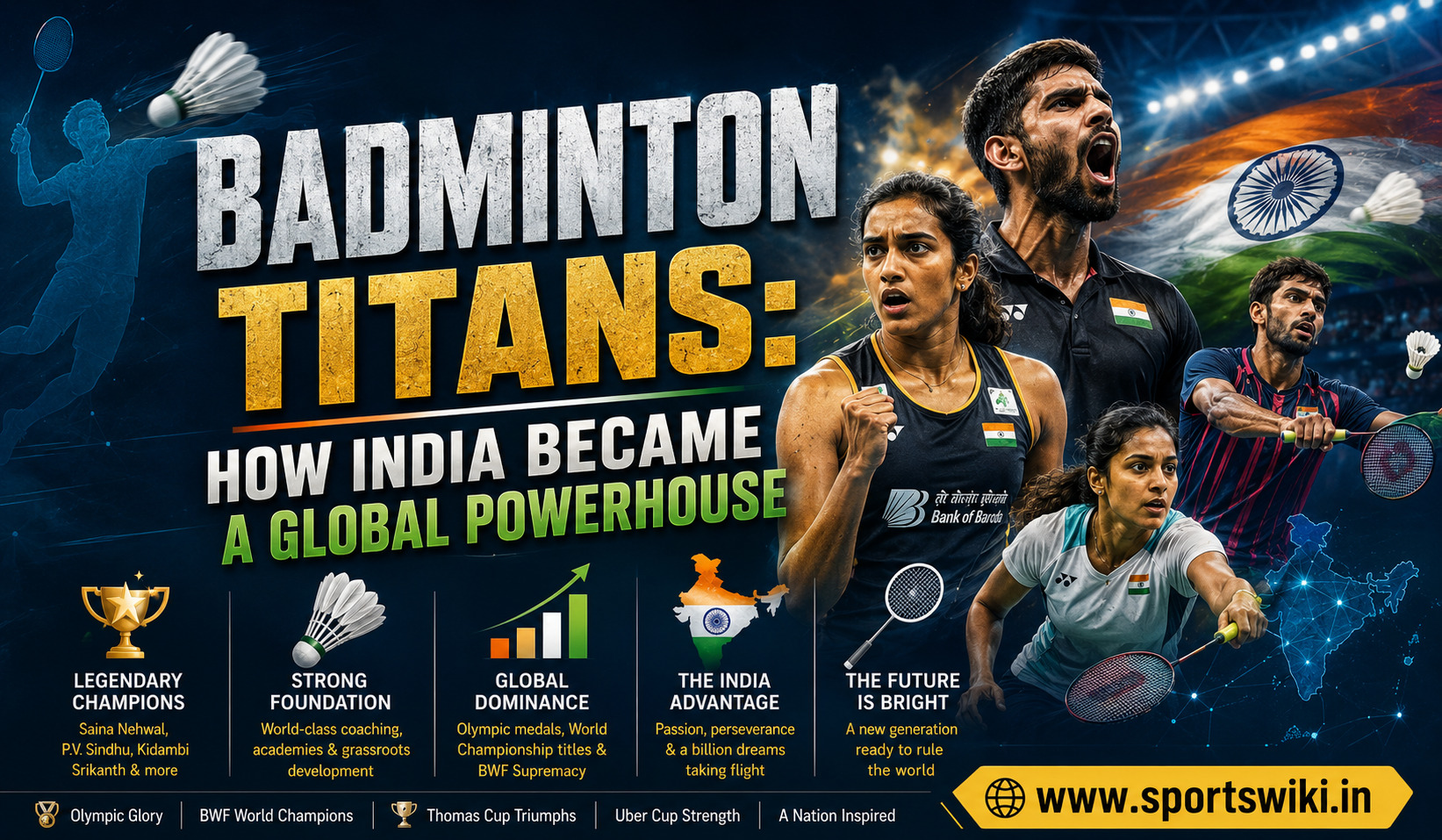
Ten years ago, Indian badminton fans celebrated a single quarterfinal appearance like it was a world title. Today, India walks into major tournaments as a genuine medal threat across singles and doubles, backed by a Thomas Cup trophy that nobody outside the team believed was possible. This is the story of how Indian badminton went from occasional surprise to a legitimate global powerhouse, and why the momentum shows no signs of slowing down.
The Slow Build Before The Breakthrough
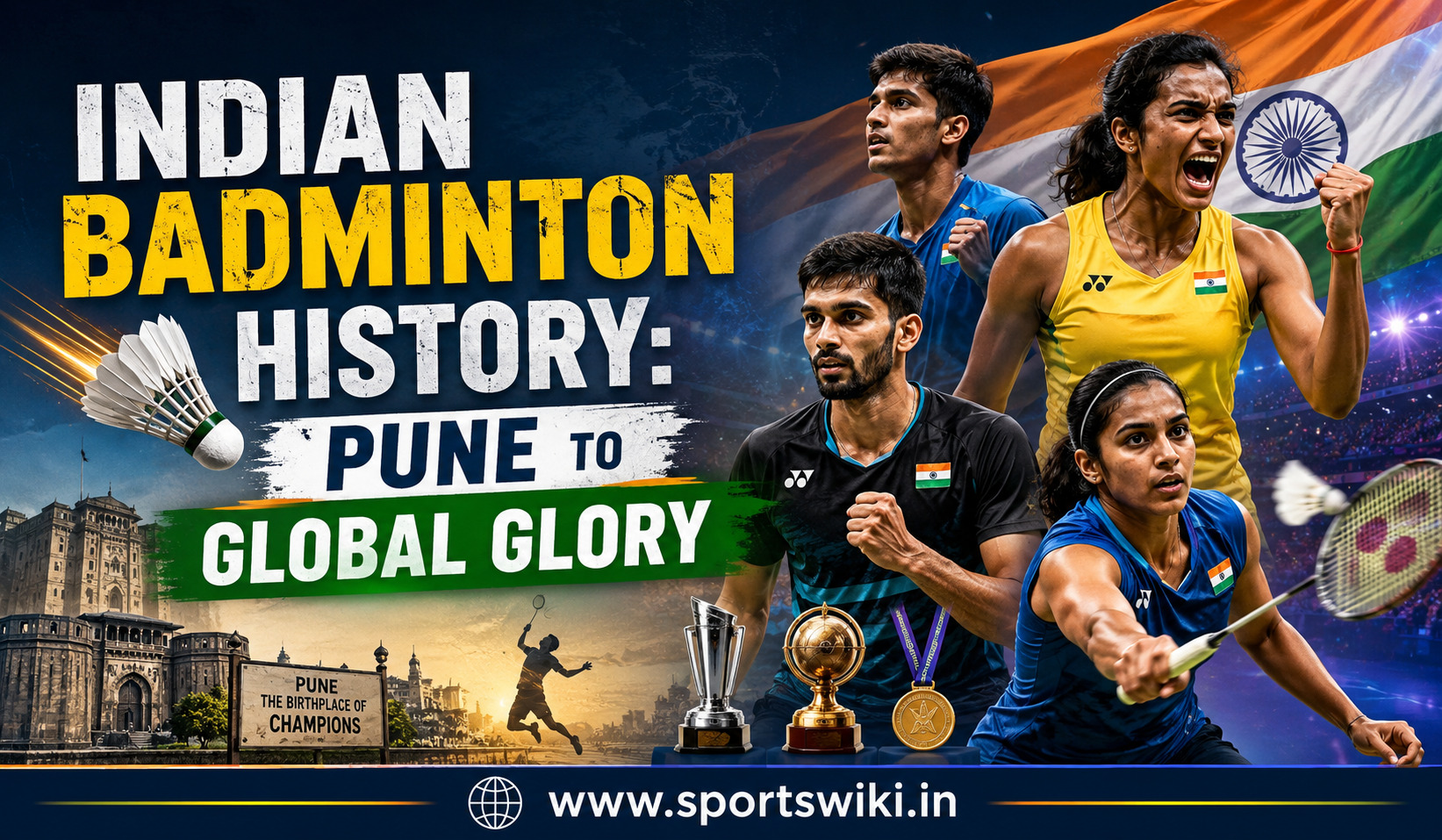
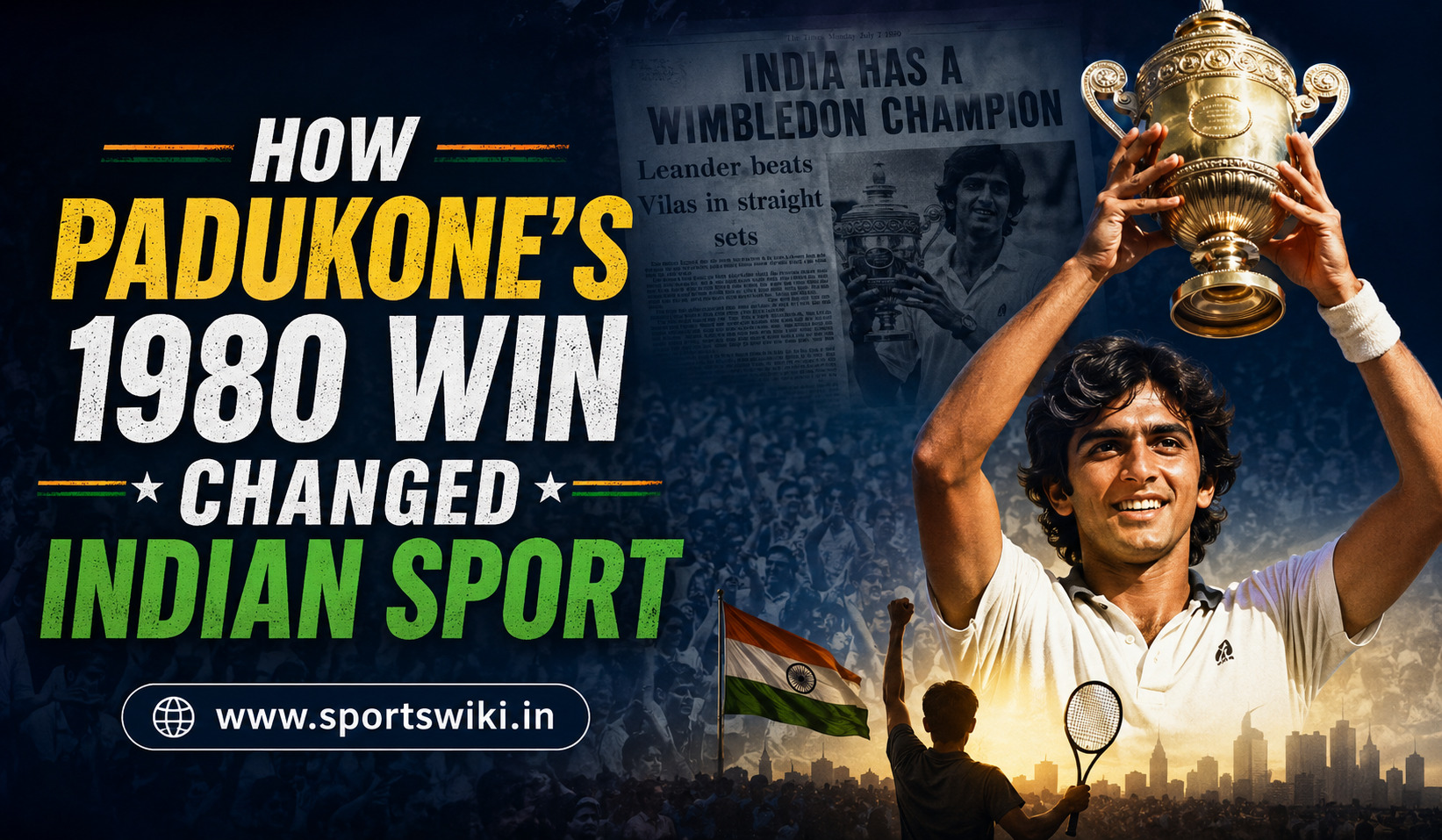
Indian badminton did not become competitive overnight. For decades, the country produced flashes of individual brilliance without any sustained depth behind them. Prakash Padukone’s All England title back in 1980 remains a landmark moment, but for years it stood as an isolated peak rather than the start of a movement.
The real shift began with a generation of players willing to challenge the traditional badminton powers of China, Indonesia, and Denmark head on. Saina Nehwal was the one who dared India to dream bigger. She became the first Indian woman to reach the world number one ranking and won an Olympic bronze at London 2012, proving Indian players could compete with the very best on the sport’s biggest stage. She retired from competitive badminton in 2026, with her final competitive outing coming at the 2023 Singapore Open, closing out a career that fundamentally changed what Indian fans believed was possible.
That belief created space for the next wave, and none of them made a bigger impact than PV Sindhu.
PV Sindhu: The Face Of India’s Badminton Rise
If Saina proved India could compete, PV Sindhu proved India could win at the very top. She burst onto the international scene in 2012 by winning the junior Asian championships title, then backed it up with consecutive bronze medals at the 2013 and 2014 world championships, establishing herself as a serious contender before she had even turned twenty.
Her defining moment came at the Rio 2016 Olympics. Sindhu recovered from a back injury just in time to qualify, then delivered arguably the best run of her career, winning silver and becoming the first Indian woman to reach an Olympic badminton final. She followed that up with bronze at the Tokyo 2020 Games, making her a two time Olympic medalist and cementing her status as one of the most consistent big match performers in the sport.
What makes Sindhu’s career remarkable is the consistency, not just the peaks:
- Back to back World Championship bronze medals in 2013 and 2014
- A World Championship gold in 2019, making her a former world champion
- Two Olympic medals across two consecutive Games, an achievement no other Indian shuttler has matched
- Continued presence on the national team well into 2026, still leading India’s Uber Cup and Asian Games squads as a senior figure
Even now, well past the point where most singles players start slowing down, Sindhu remains a central figure in India’s squads, mentoring the next generation while still competing at world championship level herself.
The Thomas Cup Miracle That Changed Everything
If there is one single moment that separates old Indian badminton from the modern era, it is May 2022. India entered the Thomas Cup, badminton’s answer to a men’s team World Cup, as rank underdogs with no realistic expectation of silverware. They left as champions, pulling off upset after upset against nations with far deeper badminton traditions.
That win changed the entire psychology around Indian men’s badminton. Suddenly, a team that had spent years being happy just to qualify started believing it belonged among the sport’s elite. The core of that title winning squad, including Lakshya Sen, HS Prannoy, Kidambi Srikanth, and the doubles pairing of Satwiksairaj Rankireddy and Chirag Shetty, has remained largely intact through subsequent cycles, giving India a rare continuity most badminton programs never achieve.
Defending that title in 2024 proved difficult, since the previous five Thomas Cup champions had all been different nations, showing just how hard it is to stay on top in men’s team badminton. Still, India entered as defending champions with genuine medal expectations rather than simply hoping to make a deep run, a mindset shift that would have been unthinkable a decade earlier.
Satwik-Chirag: The Doubles Pair Reshaping The Sport
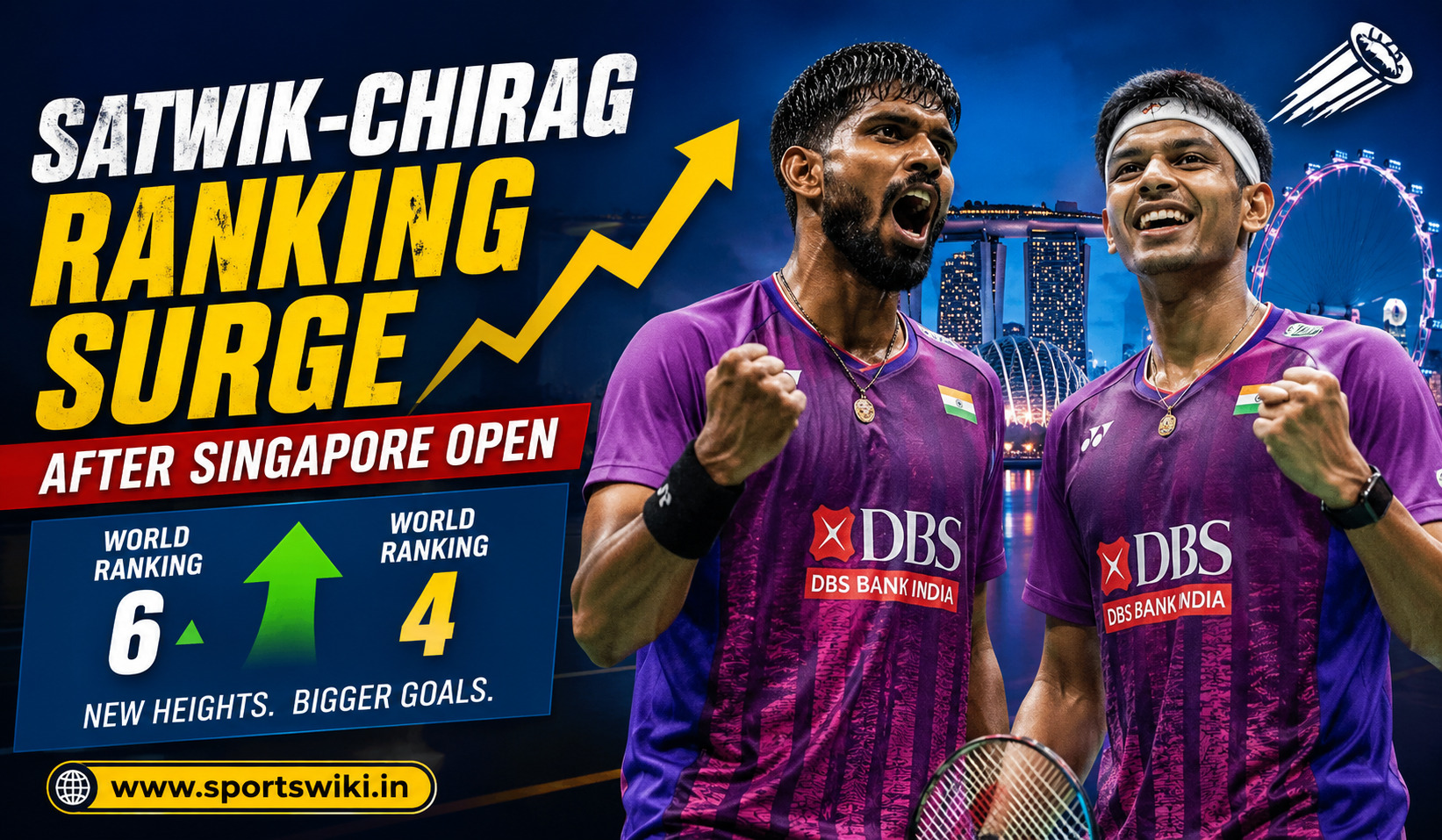
No Indian pairing has done more to change global perceptions of Indian doubles badminton than Satwiksairaj Rankireddy and Chirag Shetty. Their breakthrough came at the 2022 Asian Games, where they won gold in men’s doubles, and they backed it up in 2023 by winning the Badminton Asia Team Championships, marking the first top podium finish by any Indian pairing in that competition in 58 years.
That is not a typo. Fifty eight years without an Indian team reaching that podium, broken by a pair that has continued climbing since. They added a bronze medal at the World Championships and have remained fixtures near the top of doubles rankings, giving India something it rarely had before: a doubles pairing capable of beating anyone in the world on a given day, not just occasionally springing an upset.
The Next Generation Stepping Into The Spotlight
What makes India’s current badminton program genuinely different from previous eras is depth. It is no longer just one or two standout names carrying the entire country’s hopes. Lakshya Sen reached the semifinals at the Paris 2024 Olympics and followed that with a runner-up finish at the prestigious All England Open in 2026, cementing himself as India’s top ranked men’s singles player.
Behind him, a wave of younger players is pushing hard for spots on senior squads. Ayush Shetty, the 2025 US Open champion, earned his maiden call-up to India’s Thomas Cup squad after consistent performances on the senior circuit, while players like Unnati Hooda, Tanvi Sharma, and the women’s doubles pairing of Treesa Jolly and Gayatri Gopichand have all pushed into major squads through genuine results rather than reputation alone.
This depth showed clearly at the 2026 Thomas Cup, where India swept Australia five nil to reach the quarterfinals, with wins coming from Lakshya Sen, Ayush Shetty, the Satwik-Chirag pairing, and HS Prannoy across the tie. That is a team winning across every discipline, not leaning on a single star to carry the group.
Why This Depth Matters More Than Any Single Medal
A country can produce one great champion through pure individual talent. Building a program with contenders across men’s singles, women’s singles, and both doubles disciplines simultaneously requires infrastructure, not luck. Academies built around figures like Pullela Gopichand have played a massive role here, creating a pipeline where young players get access to world class coaching and competition without needing to train abroad.
Think of it like a cricket team that used to rely entirely on one star batsman to win matches, and now fields a lineup where five or six players can win a game on any given day. That is the shift Indian badminton has gone through over the past decade, and it is exactly why the sport’s global powers now treat India as a genuine threat in team competitions, not just a nation capable of the occasional individual upset.
FAQ: Common Questions About India’s Badminton Rise
When did India win its first Thomas Cup title?
India won its historic first Thomas Cup title in May 2022, defeating higher ranked nations as underdogs throughout the tournament to claim the trophy for the first time in the country’s badminton history.
How many Olympic medals has PV Sindhu won?
PV Sindhu has won two Olympic medals, silver at the Rio 2016 Games and bronze at the Tokyo 2020 Games, making her the only Indian badminton player to medal at consecutive Olympics.
Who are India’s top badminton doubles players right now?
Satwiksairaj Rankireddy and Chirag Shetty remain India’s premier men’s doubles pairing, having won Asian Games gold in 2022 and a World Championships bronze medal, while continuing to rank among the world’s top doubles teams.
Is Saina Nehwal still playing competitive badminton?
No, Saina Nehwal announced her retirement from competitive badminton in 2026, with her final competitive tournament being the 2023 Singapore Open.