Para Powerlifting Rules, Weight Classes and Scoring Explained
At the Rio 2016 Paralympics, Iran’s Siamand Rahman cleared 310 kilograms in the men’s over 107 kg class. He became the first lifter to pass 300 kilograms in the sport. That single lift shows what para powerlifting is all about. It’s a pure test of upper body strength, and the rules are simple enough for any fan to follow. This guide covers the para powerlifting rules, the weight classes, and how the scoring works.
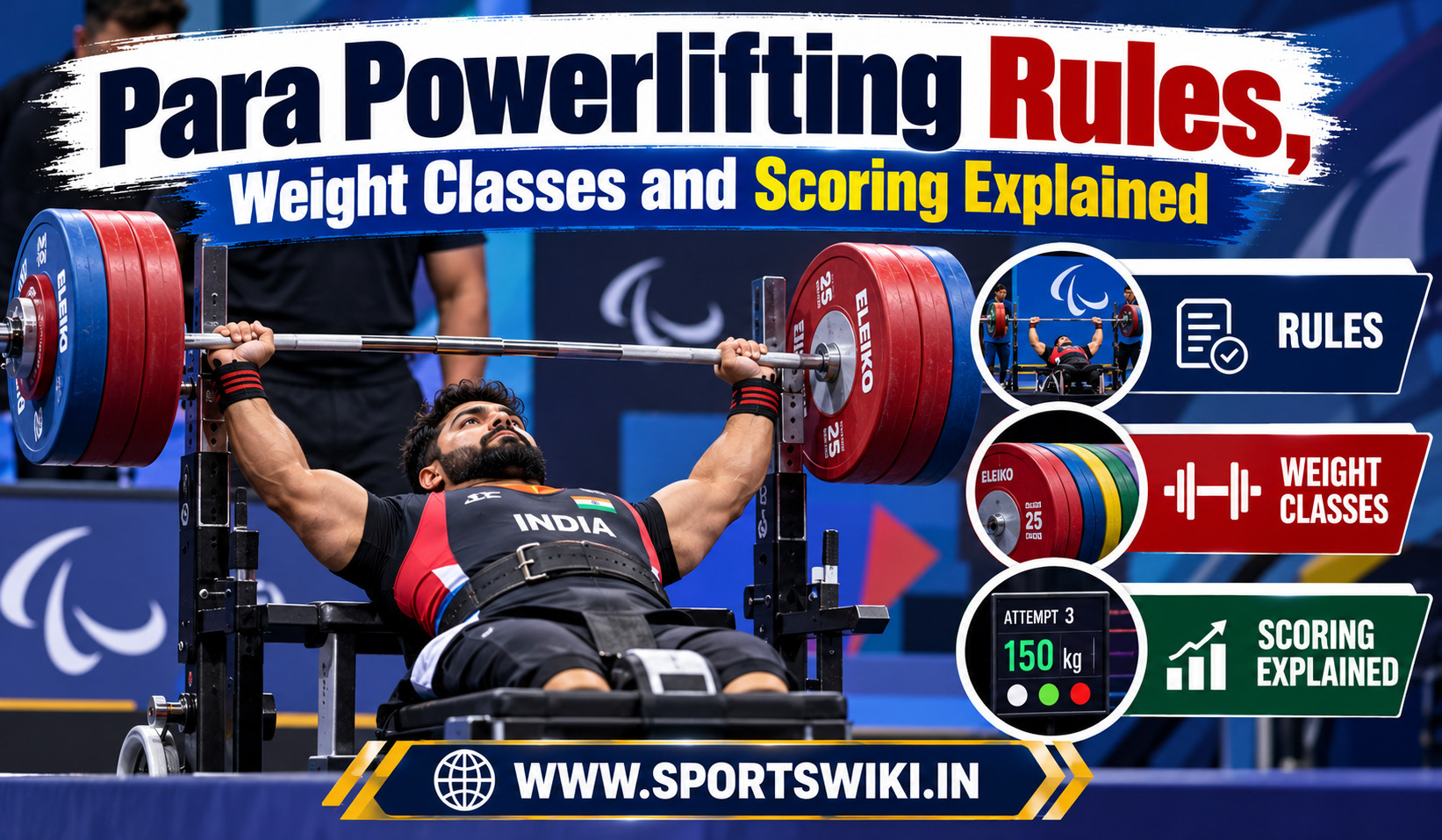
Para powerlifting has just one lift: the bench press. Athletes lie on a bench, lower the bar to the chest, and press it back up. Yet the details matter. Referees watch every movement closely. Here’s what you need to know, from who can compete to how a winner is decided.
What Is Para Powerlifting?
Para powerlifting is a Paralympic sport built around the bench press. It’s open to men and women with eligible physical impairments that affect the lower limbs or hips. Athletes must also be able to grip the bar and press it with full arm extension. This keeps the sport safe and fair for everyone on the bench.
The sport has a long Paralympic history. Weightlifting appeared at the Games in 1964, and powerlifting was added in 1984. Women’s events started at the Sydney 2000 Games. Today, the sport is governed by World Para Powerlifting, which sits under the International Paralympic Committee. As a result, rules stay consistent across major events.
One Sport Class, Many Weight Classes
Unlike many Paralympic sports, para powerlifting doesn’t split athletes into impairment groups. Everyone competes in one sport class. Instead, athletes are grouped by gender and bodyweight. That makes the contest simple to follow. The strongest lifter in each weight class wins, whatever their impairment.
Para Powerlifting Rules for a Lift
The bench press follows a clear order. The athlete lies on the bench with the head, upper back, and buttocks in contact with it. The legs are extended, and the heels stay in place. A coach or helper hands the bar to the athlete, or the athlete removes it from the racks.
The Steps of a Good Lift
At the referee’s command, the athlete lowers the bar to the chest. The bar must pause there, held still. Then the athlete presses it upward until the arms are fully extended, with elbows locked. Finally, the referee gives the rack command, and the bar goes back on the supports.
Three referees judge each attempt. They look at bar control, the pause on the chest, and the final lockout. Each referee shows a white or red light. A lift counts as good when the majority show white. So a single clean press can change a medal race in seconds.
The Bench and Equipment
The official bench is 2.1 meters long. It sits between about 45 and 50 centimeters off the ground. The bench is also narrower toward the head end, which helps with shoulder movement. These details are standard at major events, so athletes know exactly what to expect.
Discs and bars must meet World Para Powerlifting standards. Officials check the weights before each session. Athletes may wear approved lifting gear, but only within set limits. In other words, the equipment can support the lifter, yet it can’t do the work. Safety stands first, so spotters stay close during every attempt.
Weight Classes Explained
Para powerlifting has 10 weight classes for men and 10 for women, which makes 20 events at the Paralympic Games. Athletes weigh in before competing, and they must be at or below the limit for their class. The top class has no upper limit.
Weight classes matter even more in this sport because strength rises with size. A lifter in the 49 kg class and a lifter in the over 107 kg class would never compete on equal terms. So the classes keep every contest fair. They also give athletes a clear target, since many lifters train for years to move up a class or to hold their place.
Men’s and Women’s Classes
- Men: 49 kg, 54 kg, 59 kg, 65 kg, 72 kg, 80 kg, 88 kg, 97 kg, 107 kg, and over 107 kg.
- Women: 41 kg, 45 kg, 50 kg, 55 kg, 61 kg, 67 kg, 73 kg, 79 kg, 86 kg, and over 86 kg.
These classes are separate from the able-bodied weight categories used in Olympic weightlifting. If you want to compare them, our guide to weightlifting weight categories explained for men’s and women’s classes shows how the other sport handles bodyweight.
How Scoring Works
Scoring is straightforward, and that’s part of its charm. Each athlete gets three attempts. The heaviest good lift counts as the final result. The athlete with the highest successful lift in a weight class wins gold.
Attempts and Weight Changes
Athletes choose their opening weight before the contest begins. After a lift, they can pick a heavier weight for the next attempt. The increase must be at least one kilogram. A smaller half-kilogram increase is allowed when an athlete tries for a world record.
Sometimes the jury allows a fourth attempt for a world record. This extra lift doesn’t count toward the final result. So an athlete can win the medal first, then chase history with a bonus try. Because of this rule, record attempts often create the loudest moments of the night.
What Makes a Lift Fail
Even strong athletes miss lifts for small reasons. Knowing the common errors makes the sport easier to follow.
- No pause: the bar isn’t held still on the chest.
- Uneven press: the arms don’t extend at the same pace.
- Lost contact: the head, back, or buttocks leave the bench.
- Bent elbows: the arms aren’t fully locked at the top.
- Early rack: the bar goes back before the referee’s command.
Each mistake leads to red lights. As a result, athletes train the pause and the lockout almost as much as raw strength. Meanwhile, referees stay strict because the rules protect everyone on the platform.
Who Can Compete
Para powerlifting is open to athletes with eight eligible physical impairments. The impairment must affect the lower limbs or hips in a way that would stop the athlete from competing in standing powerlifting. Athletes also need to meet minimum impairment criteria, which are set out in the official rules. So eligibility is checked before an athlete enters major events.
Safety rules apply too. An athlete must be able to grip the bar on their own and press it with full arm extension. This protects the lifter during heavy attempts. Because the sport uses one class, the rules focus on the athlete’s strength and technique, not the type of impairment.
Competition Format and Major Events
Major events follow a steady rhythm. The Paralympic Games take place every four years. World Championships are held every two years, while regional championships come around every three years. World Cup and Grand Prix events fill the calendar each year. As a result, athletes have many chances to compete and chase records.
At the Paralympic Games, each country can send a limited number of athletes. Teams may include men and women across the weight classes. Every session runs in a set order. Lifters take their first attempts, then the second round follows, and the third round closes the class. Meanwhile, the order of lifting depends on the weight on the bar, with lighter loads going first. That means the final attempts often decide the gold medal.
Para Powerlifting Compared with Other Strength Sports
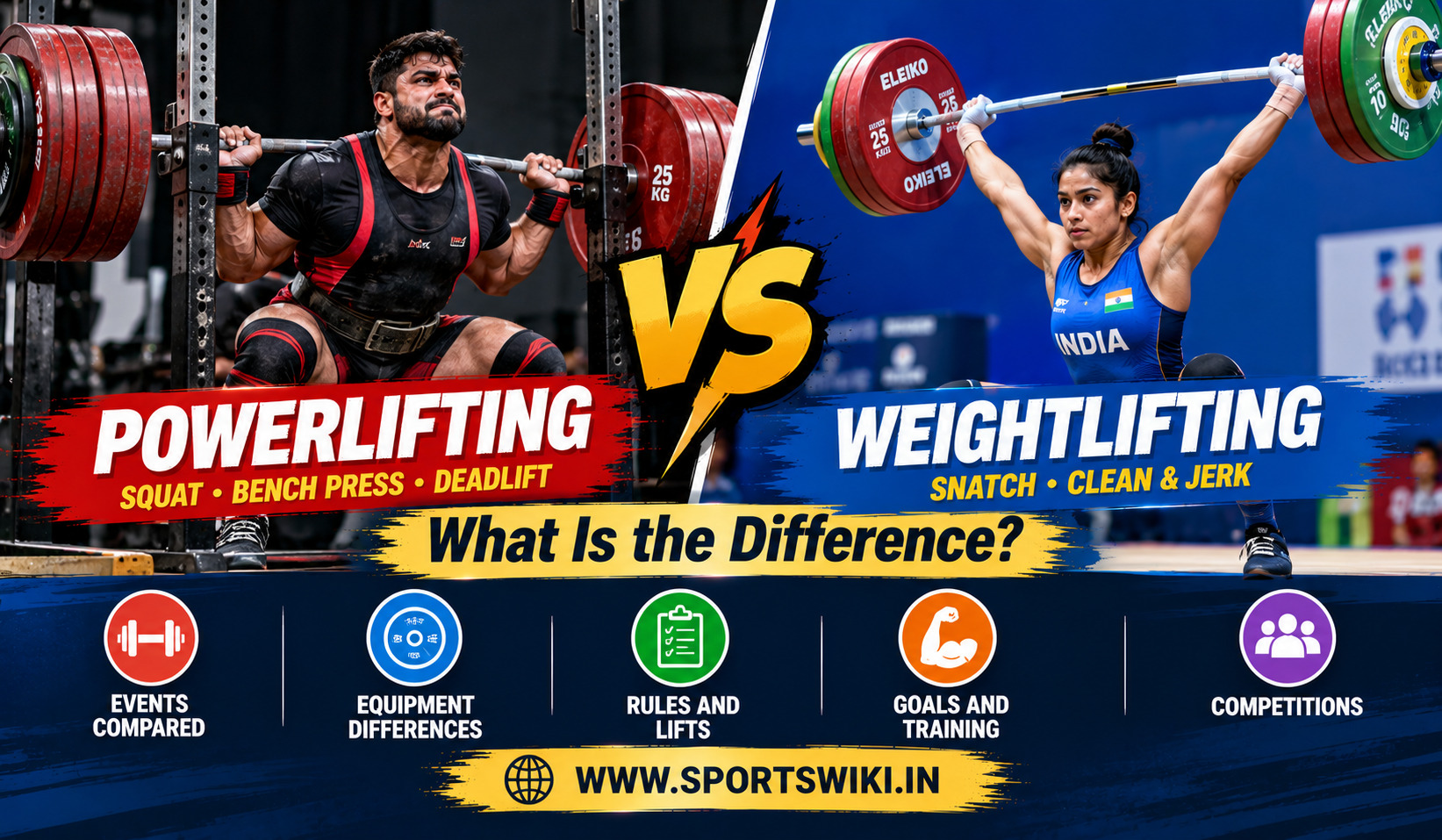
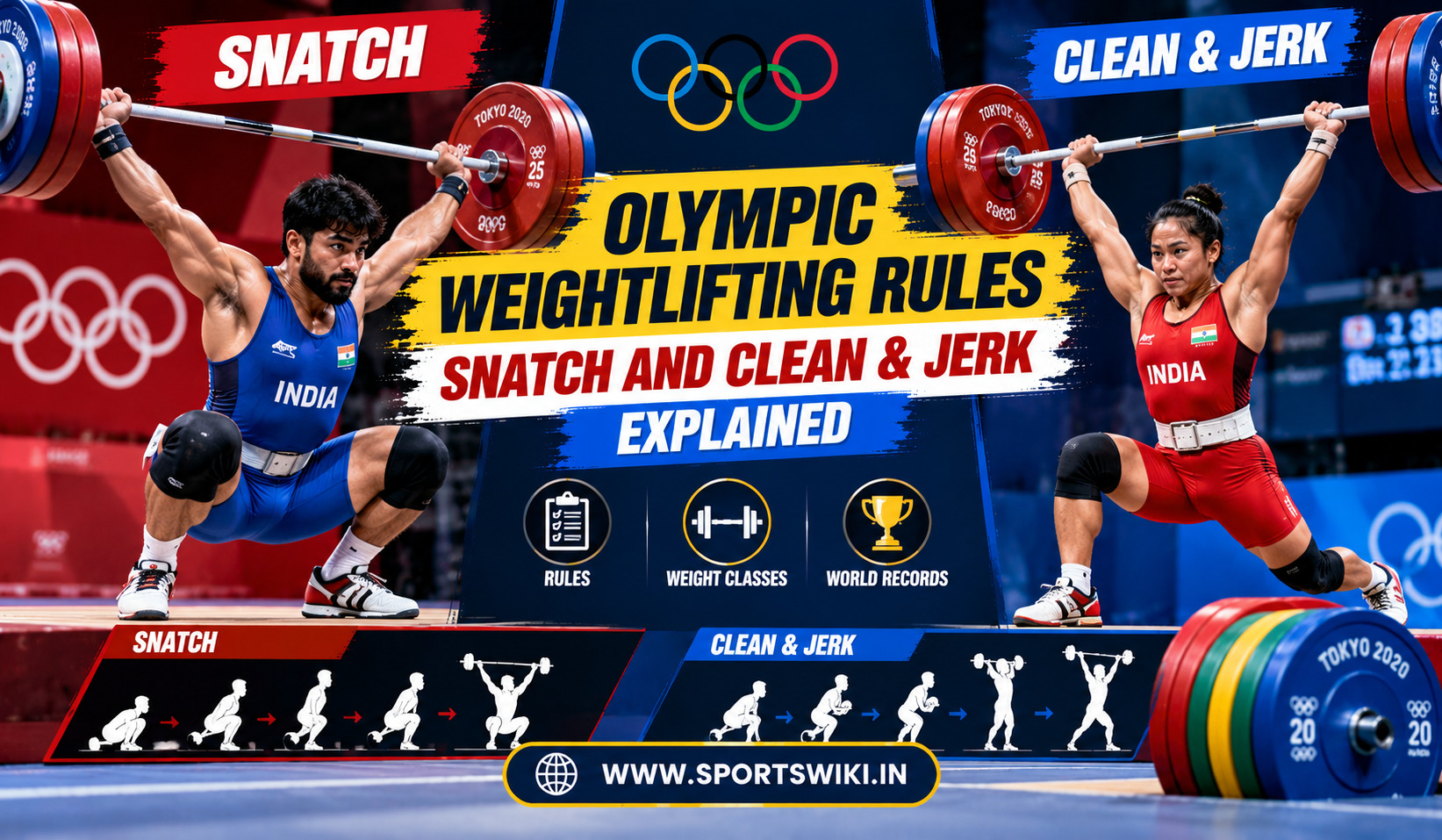
Para powerlifting uses just one lift, while able-bodied powerlifting uses three. Olympic weightlifting uses two overhead lifts that rely on speed. For a deeper look at those differences, read our guide to powerlifting vs weightlifting and what the difference is. To learn how the Olympic lifts are judged, see our explainer on Olympic weightlifting rules: snatch and clean and jerk.
Key Takeaways
- One lift: para powerlifting uses only the bench press.
- Attempts: each athlete gets three attempts.
- Winner: the heaviest good lift in a weight class wins.
- Classes: 10 weight classes for men and 10 for women.
- Referees: three referees judge each lift with white and red lights.
- Record attempts: a fourth attempt may be granted, but it doesn’t count toward the result.
FAQs
What lift is used in para powerlifting?
The only lift is the bench press.
How many weight classes does para powerlifting have?
There are 10 classes for men and 10 for women.
How many attempts does each athlete get?
Each athlete gets three attempts.
Who wins a para powerlifting event?
The athlete with the heaviest good lift in their weight class wins.
When did women’s para powerlifting begin at the Paralympics?
Women’s events were introduced at the Sydney 2000 Games.
Conclusion
The para powerlifting rules boil down to one lift, three attempts, and one clear winner in each weight class. The athlete lowers the bar, pauses, and presses to full lockout, while three referees watch every detail. With 10 weight classes for men and 10 for women, the sport gives strength athletes of every size a place to shine. Once you know the rules, each lift becomes easy to read and exciting to watch.