Karate vs Judo vs Taekwondo: Key Differences Explained
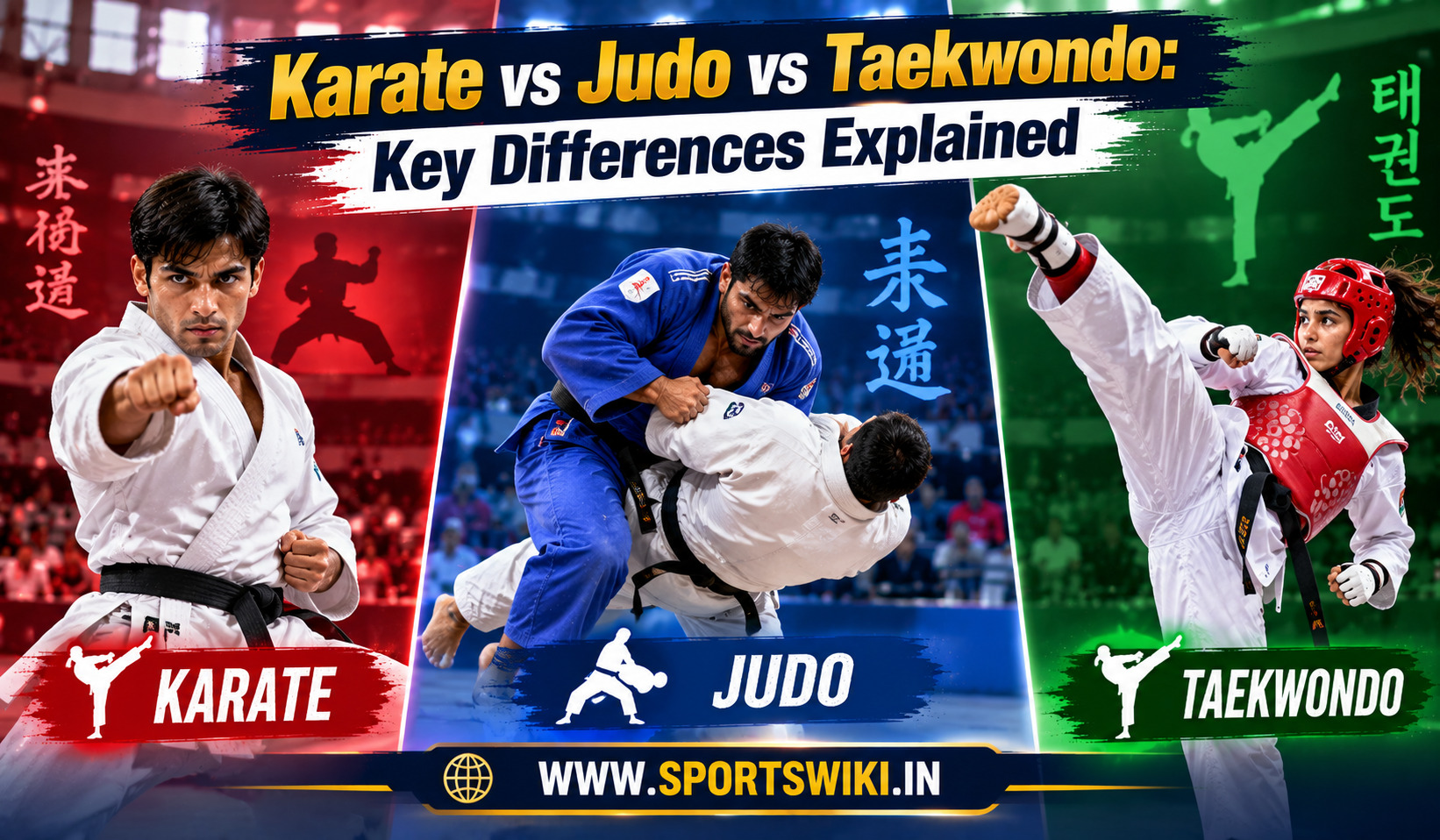
Judo has no kicks, taekwondo scores up to six points for one, and karate stops a head kick just short. That single contrast shows why karate vs judo vs taekwondo is never a simple comparison. While all three come from Asia and use belts, each sport asks for a completely different skill set.
Because fans and new students often mix them up, this guide sets them side by side. To do that, it covers origins, techniques, scoring, safety and Olympic status in plain language. Along the way, you’ll see which art might suit you best. Since rules change, everything below reflects reports as of October 2026.
Karate vs Judo vs Taekwondo: The Big Picture
In short, judo is a grappling sport, while karate and taekwondo are striking sports. Judo fighters grip each other’s jackets and then throw, pin or choke. Karate fighters, meanwhile, use punches, strikes and kicks, with tight control of contact. Taekwondo fighters lean on powerful kicks, including spinning ones to the head. Here’s a quick summary of each art:
- Judo: Japanese, built on throws, pins, chokes and arm locks.
- Karate: Japanese roots from Okinawa, built on punches, strikes and kicks.
- Taekwondo: Korean, built on high, fast and spinning kicks.
Origins: Where Each Art Comes From
Judo has the clearest origin story, since Jigoro Kano created it in Japan in 1882. At the time, he wanted a safer, more modern system than older jujutsu. As a result, judo became both a sport and a school of physical education.
Karate grew up in Okinawa, in the Ryukyu islands, before spreading across Japan. Over time, it split into several styles, such as Shotokan and Kyokushin. Because styles differ, a karate class in one dojo can look very different from another. However, the sport version, governed by the World Karate Federation, has its own standard rules.
Modern taekwondo took shape in Korea in the mid-20th century. Because its name roughly means “the way of the foot and fist”, you might expect punches. Even so, kicks became its signature. Today, World Taekwondo governs the Olympic version of the sport. Meanwhile, the debate over karate vs judo vs taekwondo often starts with these separate roots.
Techniques and Style
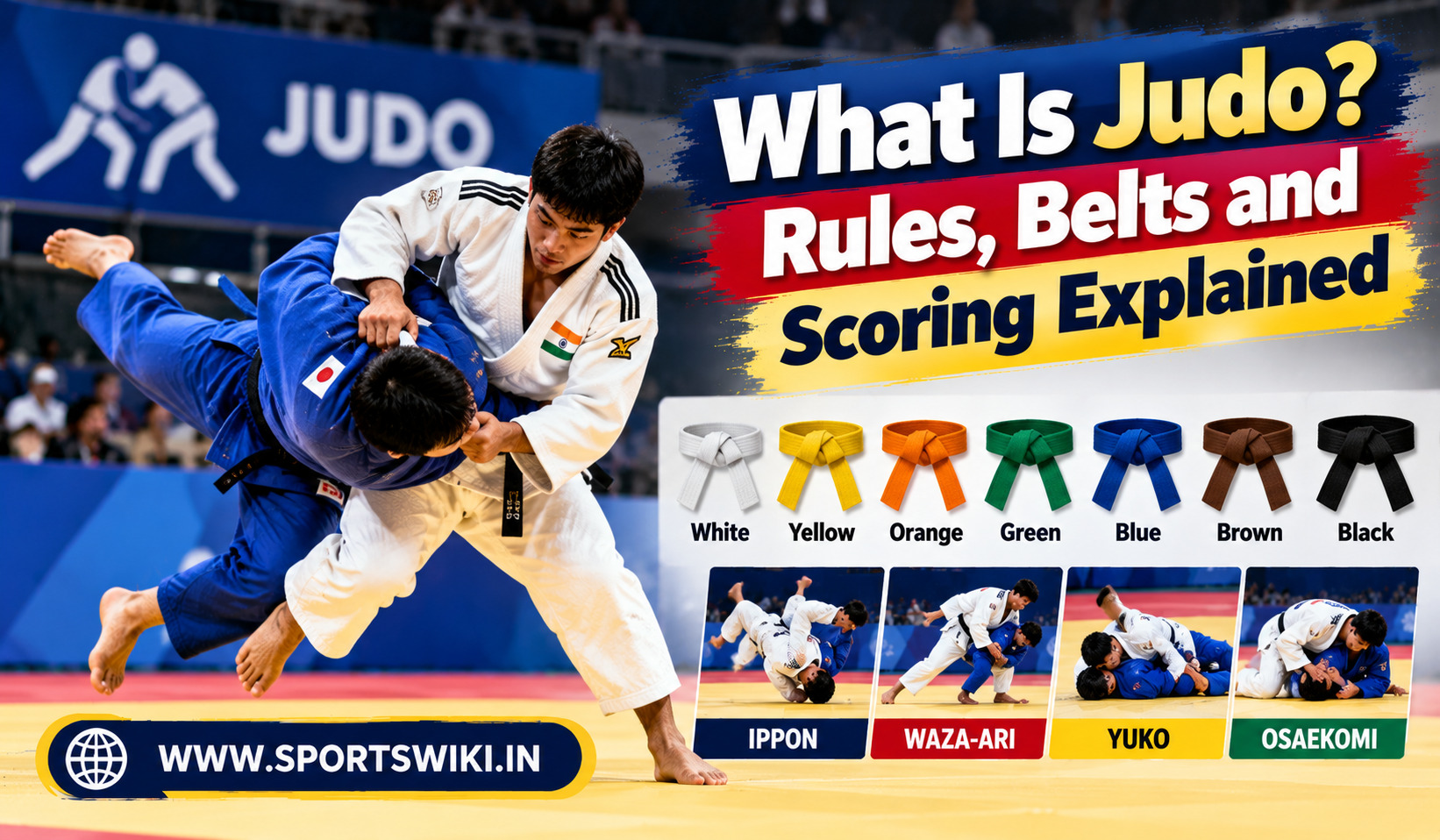
Judo fighters aim to off-balance an opponent and throw them onto their back. Once on the ground, they use pins, strangles and arm locks. Because strikes aren’t allowed, grip fighting becomes a chess match. For a deeper look, you can read our explainer on what is judo.
Karate relies on fast, sharp strikes and kicks. In sport kumite, for instance, fighters spar on an eight-metre mat. Since a scoring technique must show good form, speed, timing and control, flurries rarely work. As a result, a clean counter often beats a flurry of blows.
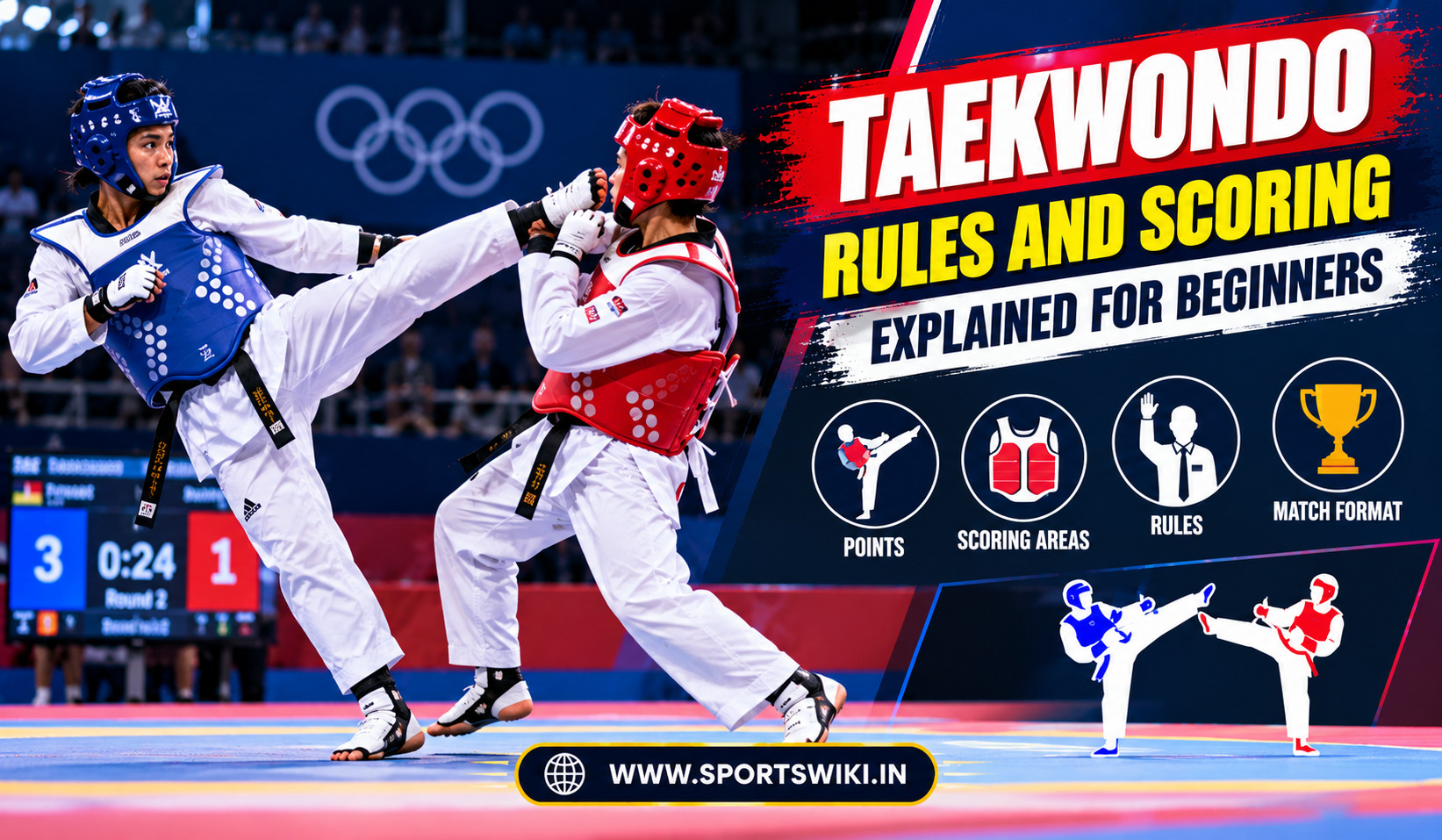
Taekwondo, meanwhile, rewards range and athleticism. Because fighters bounce on their toes, they can fire kicks from a distance. In fact, the most valuable moves are spinning head kicks. To learn how the scoring works, see our guide to taekwondo rules and scoring.
Scoring and Match Format
Scoring is where the three arts split most clearly. In judo, the ippon ends a match at once. A waza-ari is worth half, so two waza-ari make an ippon. A senior match lasts four minutes, with golden score if the scores are level.
Karate kumite, by contrast, uses a simpler three-level scale. A punch or strike to a scoring area earns one point, while a kick to the body earns two. Next, a kick to the head, or a technique on a downed opponent, earns three. Senior bouts last three minutes, but an eight-point lead ends a bout early.
Taekwondo uses larger numbers. Under the 2026 rules, a trunk punch scores one point and a body kick two. Then a head kick scores three, a turning body kick four and a turning head kick six. Matches run three rounds of two minutes, and a 15-point gap ends a round.
Contact, Control and Safety
Contact levels differ a lot. In judo, contact is the whole point, yet strikes are banned. Because dangerous throws and holds bring penalties, and the worst bring disqualification, fighters stay careful. Since fighters train falling skills from day one, injuries are manageable.
Karate demands control. While body techniques may land with controlled impact, head techniques only need a light skin touch. Contact to the throat is not allowed. Because excessive contact can bring a warning or penalty, fighters hold back. As a result, karate bouts look lighter than taekwondo bouts.
Taekwondo allows full-force kicks to the body and head, so protective gear is essential. For that reason, fighters wear a sensor-equipped chest protector and helmet. Karate fighters, meanwhile, wear mitts, a gum shield, shin pads and foot protection. Judo fighters wear only the judogi, since there are no strikes.
Fitness and Training Demands
Each art builds a different body. Judo builds grip strength, core power and balance, since fighters spend minutes pulling and pushing. Karate builds speed, timing and sharp footwork. Taekwondo, meanwhile, builds flexibility and leg power, because high kicks need open hips and strong legs.
Beginners should expect sore muscles in the first month, whichever art they pick. Because technique matters more than strength early on, patient practice pays off quickly. Even so, a good warm-up and safe falling skills protect against injury. Clubs for children usually keep contact light, and most offer a free trial class before you commit.
Uniforms and Belts
All three sports use a belt system. Beginners start with white, and rank rises with colour or stripe. Beyond that, black belts mark advanced levels in each art. Because colours vary between countries and clubs, the exact order isn’t universal.
At competitions, however, colours change. At international judo events, one fighter wears white while the other wears blue. In karate, fighters wear a red or blue belt instead of their rank belt. Meanwhile, taekwondo’s sensor gear is colour-coded, with red and blue protectors.
The uniforms also feel different. While a judogi is thick and gripped by the opponent, a karate gi is lighter and made for free movement. A taekwondo dobok is also light, with a distinct V-neck. Because of that, each uniform suits its sport’s style.
Olympic Status
Judo has the longest Olympic history of the three. It joined the Games at Tokyo 1964 and has stayed ever since. By Paris 2024, it offered 15 events, including a mixed team contest. Taekwondo, meanwhile, became an official medal sport at Sydney 2000.
Karate, however, has had a rocky road. Because it made its Olympic debut at Tokyo 2020, which was held in 2021, hopes were high. Even so, it missed Paris 2024, and reports as of 2024 said it wasn’t in the LA 2028 programme either. Meanwhile, karate still features at events such as the Asian Games.
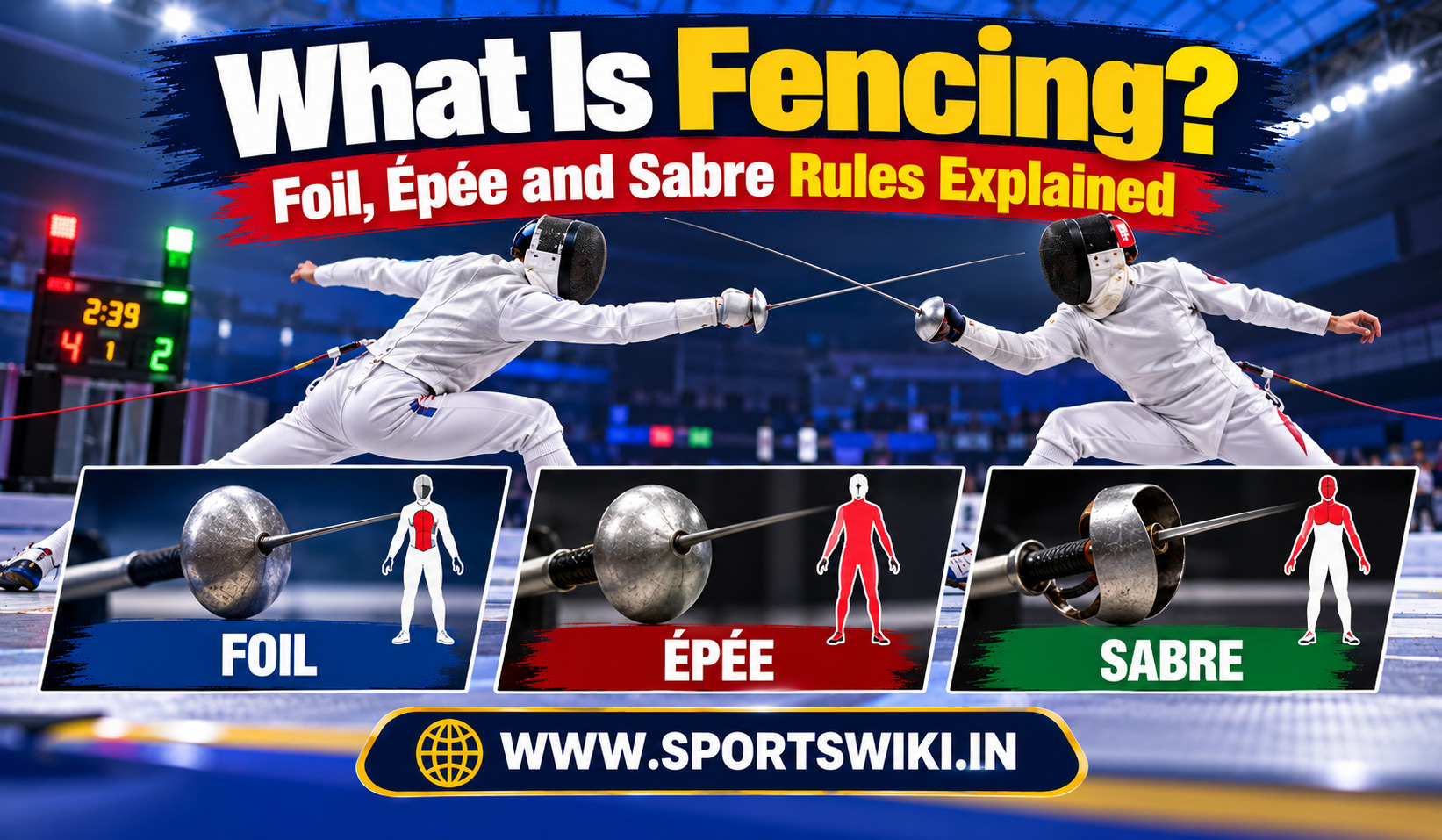
Meanwhile, readers who want an Olympic combat sport with a completely different style can try our explainer on what is fencing. It swaps bodies for blades and lights for sensors.
Which One Should You Choose?
Here’s an opinion, clearly framed as one. Anyone who loves close-contact tactics and doesn’t want to be hit will enjoy judo. Players who like precise technique and controlled sparring, meanwhile, may prefer karate. Those who want high-energy kicking and a clear Olympic route will lean towards taekwondo.
Of course, many clubs let beginners try a class first. That’s the best test. Because teachers and styles vary, a great coach often matters more than the art itself. Still torn over karate vs judo vs taekwondo? Book a trial in each, then compare how the classes feel. Even so, knowing these differences helps you choose a dojo with confidence, and it saves time and money.
Key Takeaways
- Style: Judo is grappling, while karate and taekwondo are striking arts.
- Scoring: Judo uses ippon and waza-ari, karate uses 1, 2 and 3 points, and taekwondo uses 1 to 6.
- Contact: Karate demands control, while taekwondo allows full-force kicks with protective gear.
- Belts: All three use belt ranks, with colours that vary by country and club.
- Olympics: Judo since 1964, taekwondo since 2000, and karate only at Tokyo 2020.
FAQs
Which is better, karate, judo or taekwondo?
No single art is better, because each suits different goals, from throwing to kicking to controlled sparring.
Does judo use kicks or punches?
No, judo focuses on throws, pins, chokes and arm locks without any strikes.
Which art has the highest-scoring kick?
Taekwondo does, since a turning head kick scores six points under the 2026 rules.
Is karate an Olympic sport?
Karate appeared at Tokyo 2020 but wasn’t part of Paris 2024.
When did taekwondo join the Olympics?
Taekwondo became an official medal sport at the Sydney 2000 Games.
Conclusion
Karate vs judo vs taekwondo comes down to how you want to fight. While judo is about grips, balance and throws, karate is about control and precision, and taekwondo is about speed and kicks. Because each has its own scoring, safety rules and Olympic story, the choice is personal. Whichever one you pick, a good coach and steady practice matter most.