Indian Sports Beyond Cricket: Which Disciplines Are Attracting More Fans and Investment?

Cricket continues to dominate India’s sporting landscape, but the country’s sports industry is gradually becoming more diverse. Football, kabaddi, badminton, hockey, wrestling, athletics and other disciplines are attracting audiences, corporate partnerships and investment. Professional leagues, international achievements, digital broadcasting and growing interest among younger fans are helping these sports reach people beyond traditional sporting communities.
In 2026, India’s sports ecosystem is developing into a broader commercial and entertainment market. However, cricket still receives the largest share of sponsorship and media investment. The opportunity for other disciplines is to build sustainable fan communities, improve grassroots participation and create professional competitions that can attract long-term financial support.
Understanding which sports are gaining attention helps explain how India’s sporting culture and business opportunities are changing.
India’s Sports Industry Is Expanding Beyond Cricket
India’s sports economy has grown through professional leagues, broadcasting, sponsorships, sports technology and infrastructure development. A September 2025 KPMG report estimated the industry at approximately $19 billion, with a projected value of $40 billion by 2030. It also highlighted growing opportunities in sports technology, infrastructure, manufacturing and emerging leagues.
However, cricket remains the biggest commercial force. According to WPP Media’s Sporting Nation 2025 report, released in March 2026, India’s sports economy reached ₹18,864 crore in 2025, representing 13.4% growth over the previous year. Cricket accounted for approximately 89% of the total value. The report also noted that non-cricket sponsorships grew by 19% in 2024, showing that brands are exploring opportunities in other disciplines.
This difference is important. Non-cricket sports are attracting more attention, but their commercial growth is not yet equal to cricket’s scale. Their future depends on converting audience interest into regular viewership, sponsorship revenue and professional opportunities.
Football: Building a Stronger Fan Community
Football is among the most widely followed sports in India beyond cricket. The Indian Super League (ISL), I-League competitions, international football tournaments and European club competitions have helped develop a diverse audience.
Indian football has strong regional support, particularly in West Bengal, Kerala, Goa and the Northeast. Clubs have passionate local followers, while international competitions attract viewers through television, streaming platforms and social media.
The commercial potential of football extends beyond match broadcasting. Clubs can generate revenue through sponsorships, merchandise, ticket sales, youth academies and partnerships with local businesses. Corporate investment in clubs and football infrastructure can also create opportunities for young Indian players.
However, the sport needs consistent league organisation, stronger grassroots development and better financial planning. A stable domestic competition structure is essential if football wants to convert its popularity into long-term commercial growth.
Kabaddi: A Successful Example of League-Based Growth
Kabaddi demonstrates how a traditional Indian sport can develop into a modern entertainment product. The Pro Kabaddi League (PKL), launched in 2014, introduced professional teams, organised seasons, player auctions and television-friendly presentation.
Its format makes matches relatively easy to follow, while the fast pace creates exciting moments for viewers. The league has also helped players from different regions build professional careers and gain national recognition.
Corporate sponsors have supported the competition, while team ownership and broadcasting have made kabaddi an important part of India’s non-cricket sports market. The sport’s regional roots also provide a strong foundation for grassroots participation.
The next challenge is maintaining audience interest between seasons and improving the financial sustainability of teams. Expanding youth competitions and developing more international opportunities could help kabaddi strengthen its position.
Badminton: International Success Creates Commercial Opportunities
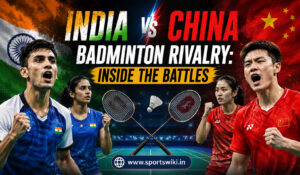
Badminton has gained considerable attention because Indian players have delivered memorable performances at major international tournaments. Saina Nehwal, PV Sindhu, Kidambi Srikanth, Lakshya Sen and Satwiksairaj Rankireddy and Chirag Shetty have helped make the sport more recognisable among Indian audiences.
The sport benefits from relatively accessible playing facilities compared with some large-field disciplines. Schools, colleges, private academies and community sports centres provide opportunities for beginners to participate.
Professional tournaments, sponsorships, equipment partnerships and player endorsements create additional commercial value. The Premier Badminton League also helped introduce a team-based format, although maintaining a consistent professional league structure remains important.
Investment in coaching, sports science and international exposure can help India develop more elite players. The growing popularity of badminton equipment and training academies also creates business opportunities beyond professional competition.
Hockey: A Traditional Sport With Renewed Attention
Hockey has a special place in India’s sporting history. The national teams’ performances at international competitions, including the Olympic Games, have helped renew public interest in the discipline.
The men’s team won bronze medals at the Tokyo 2020 and Paris 2024 Olympics, giving fans memorable reasons to follow the sport. India’s women’s team has also gained attention through its international campaigns, although consistent qualification for major events remains a challenge.
Corporate support has played an important role in hockey development. Organisations such as Tata Steel and sports foundations have supported training centres, infrastructure and athlete development. The Hockey India League has also provided a professional competition platform.
Continued investment in coaching, turf facilities, junior competitions and women’s hockey can help create a stronger domestic ecosystem. Regional academies are particularly important for identifying young players and giving them access to quality training.
Athletics and Wrestling: Individual Athletes Attracting Investment
Athletics has received greater attention following India’s international achievements. Neeraj Chopra’s Olympic success in javelin created a new generation of athletics followers and demonstrated how an individual athlete can increase interest in an entire discipline.
Other Indian athletes competing in track and field events are also gaining visibility. However, athletics requires long-term investment because different events need specialised facilities, coaching and performance support.
Wrestling has a similarly strong connection with India’s sporting culture. Indian wrestlers have achieved success at Olympic, World Championship and Asian-level competitions. Their performances attract audiences, particularly in regions where wrestling has traditional roots.
Both disciplines benefit from government programmes, private sports foundations and corporate sponsorship. Organisations such as JSW Sports and Reliance Foundation have contributed to athlete development through training and support programmes.
The biggest opportunity is to expand investment beyond a small group of established athletes. Stronger district-level facilities, transparent selection processes and sustained coaching support can help develop future champions.
Chess and Esports: New Forms of Sports Engagement
Chess has developed a growing audience in India, supported by the achievements of grandmasters such as D. Gukesh, R. Praggnanandhaa, Arjun Erigaisi and R. Vaishali. Online platforms, streaming and digital tournaments have made chess more accessible to younger audiences.
International achievements also create commercial opportunities through sponsorships, coaching programmes, tournament hosting and digital content. India’s strong chess talent pool gives the country a promising foundation for future growth.
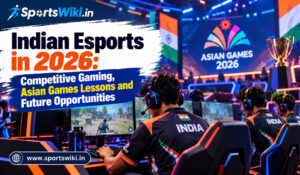
Esports represents another evolving segment. Competitive gaming attracts younger audiences through mobile games, PC competitions and online tournaments. Professional teams, gaming events, streaming platforms and sponsorships are creating opportunities for players and people working in technology, production and marketing.
Both chess and esports demonstrate how digital platforms can help sports reach audiences without relying entirely on traditional television broadcasting.
Why Brands and Investors Are Looking Beyond Cricket
There are several reasons companies are exploring sports outside cricket. First, different disciplines provide access to specific audiences. A badminton sponsor can connect with sports enthusiasts and fitness-conscious consumers, while football partnerships may appeal to younger and regional fan communities.
Second, non-cricket sports can offer brands opportunities to build stronger associations with individual athletes, teams and local communities. Sponsorship deals may also be more accessible than partnerships involving India’s biggest cricket properties.
Third, digital media has changed how audiences consume sports. Google’s 2024 Think Sports research, conducted with Deloitte, found that 90% of Indian sports fans consumed content from two or more sports. It also highlighted the importance of non-live content, including interviews, highlights and behind-the-scenes coverage.
This creates opportunities for sports organisations to engage fans throughout the year rather than depending only on live matches. Short videos, athlete stories, podcasts and social media campaigns can help smaller sports build stronger communities.
IPL 2027 Auction and the Wider Indian Sports Business
Cricket’s commercial strength continues to influence India’s entire sports economy. The IPL attracts major sponsorships, international players and substantial broadcasting interest. Its auction system also generates attention well before the tournament begins.
For readers interested in how overseas talent influences cricket’s commercial landscape, the IPL 2027 auction overseas players who could attract strong interest offers another perspective on the scale of investment and competition within Indian professional sport.
Although cricket remains the leading commercial property, its success also demonstrates the value of organised leagues, professional team management and strong audience engagement. Other sports can adapt these principles while developing business models suited to their own audiences.
What Will Drive the Future of Non-Cricket Sports in India?
The next stage of growth will depend on more than launching new leagues. Sports organisations need consistent competition calendars, better grassroots facilities, transparent management and reliable financial models.
Women’s sports also deserve greater attention. Women’s cricket has demonstrated the commercial possibilities of professional women’s competitions, while badminton, hockey, football, athletics and wrestling have opportunities to attract wider audiences through better visibility and investment.
Technology can contribute through performance analytics, digital ticketing, streaming and fan engagement platforms. Sports tourism, merchandise, academies and equipment manufacturing can create additional revenue streams.
Government initiatives such as Khelo India and private-sector partnerships can support talent development, but the long-term objective should be to create sustainable pathways from grassroots participation to professional competition.
Conclusion
Indian sports beyond cricket are attracting growing attention from fans, sponsors and investors. Football, kabaddi, badminton, hockey, athletics, wrestling, chess and esports each offer different opportunities for commercial and sporting development.
Cricket will remain India’s biggest sports property for the foreseeable future, but the country’s wider sporting ecosystem has significant room to grow. Consistent investment, professional management, digital engagement and grassroots development will determine whether today’s growing interest becomes a sustainable multi-sport culture.