What Is Judo? Rules, Belts and Scoring Explained
At the Paris 2024 Olympics, judo handed out medals in 15 events, including a mixed team contest. That’s a big stage for a sport built on balance and timing. So, what is judo, and how do fighters win? It’s a Japanese grappling art where you throw, pin or submit an opponent without striking.
Because the rules changed again for the 2026–28 Olympic cycle, plenty of fans feel lost. To help, this guide explains the scoring, the penalties and the belt system in plain English. Along the way, it shows how judo compares with other martial arts. Since rules can shift again, everything here reflects reports as of October 2026.
What Is Judo? The Basic Idea
Judo was created by Jigoro Kano in Japan in 1882. At the time, he wanted a safer, more practical system than older jujutsu styles. As a result, he built a sport where fighters use timing and balance rather than brute strength. The name roughly means “the gentle way”, although matches look anything but gentle.
Two fighters wear a judogi, a heavy jacket and trousers that can be gripped. Because the cloth is strong, they can grab each other’s clothing and try to throw. Once someone lands on the mat, the fight often moves to groundwork. There, fighters can pin, choke or lock an arm until the other taps out.
Throws and Groundwork
Judo splits into two broad areas. While throwing techniques, called nage-waza, aim to put the opponent on their back, groundwork techniques, called katame-waza, cover pins, strangles and arm locks. Because both areas matter, a good judoka needs balance, grip strength and patience.
How a Throw Works
Every good throw follows three steps. To begin, there’s kuzushi, which means breaking the opponent’s balance. Next comes tsukuri, the entry, where the thrower turns and fits their body into position. Finally comes kake, the moment of execution. Because the three steps flow together, a clean throw looks almost effortless.
Timing matters more than size. For instance, a lighter fighter can beat a heavier one by pulling at the exact moment the opponent steps. That’s why coaches teach footwork and grips before anything fancy. Beginners also learn ukemi, the art of falling safely, which protects them from injury in daily training.
Scoring: Ippon, Waza-ari and Yuko
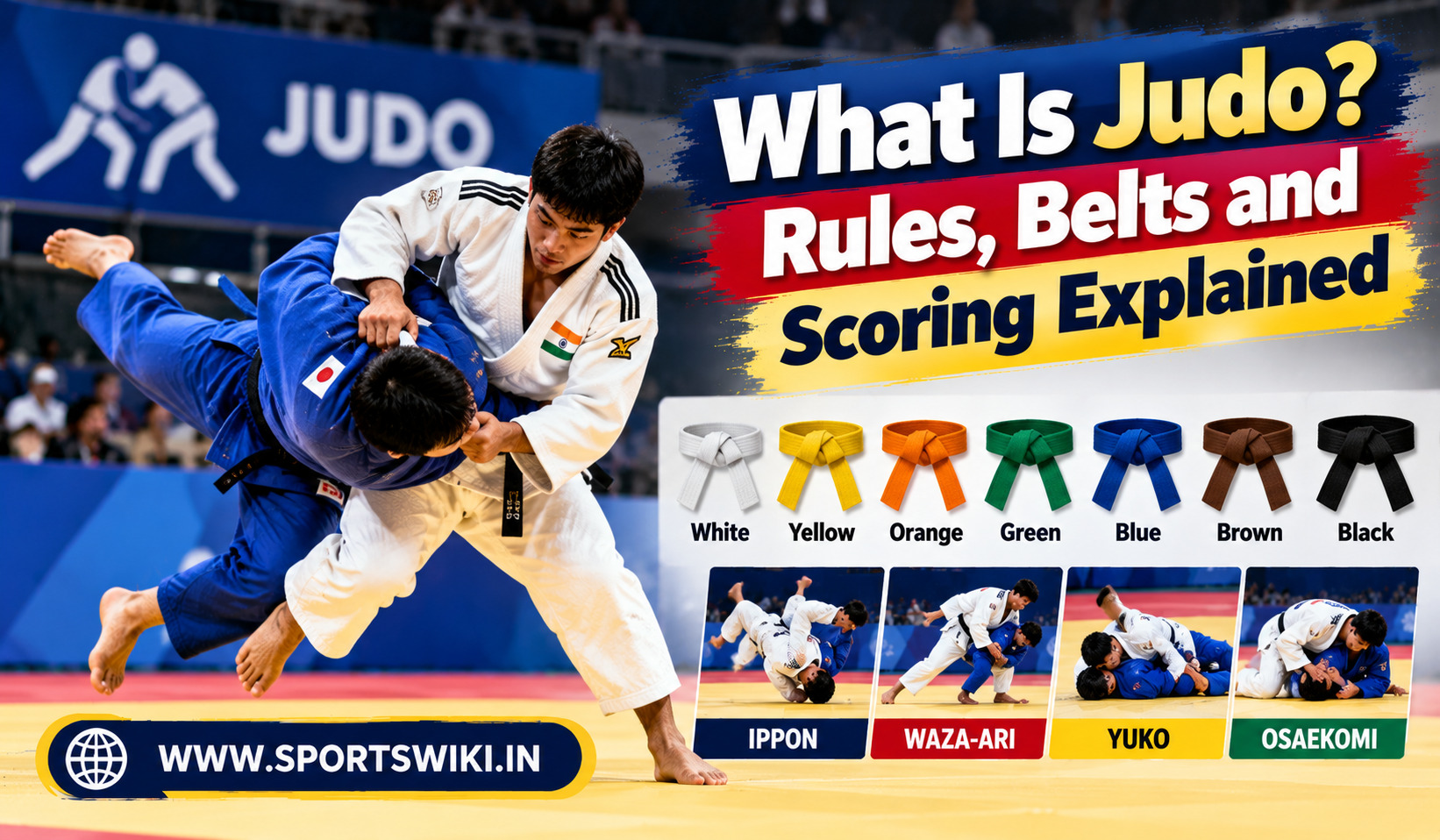
The top score in judo is ippon, which ends the contest at once. For example, a clean throw with force and speed, landing mostly on the back, earns it. A pin held for 20 seconds earns it too. So does a choke or arm lock that makes the opponent submit.
Waza-ari is the next score, worth half an ippon. When a throw lacks one element of a perfect ippon, referees often give this call. A pin held for 10 seconds also earns it. Two waza-ari in one match add up to ippon, which the referee calls “waza-ari awasete ippon”.
Yuko is the smallest score. The International Judo Federation removed it in 2017, then brought it back in 2025. As a result, it’s now part of the 2026–28 cycle. Reports say a side landing or a pin of five to nine seconds can earn it. However, yuko scores don’t add up to a waza-ari, so they mainly break ties.
Here’s a quick worked example. Imagine one fighter lands a waza-ari in the second minute. Then the other fighter scores a waza-ari late in the match. Because two waza-ari make an ippon, the second score ends the contest at once. That kind of swing is why viewers never switch off until the referee says “sore made”.
Match Time and Golden Score
A senior contest lasts four minutes of fighting time. Because the clock stops when the referee calls “mate”, real matches can feel much longer. If someone scores ippon, the match ends instantly. Otherwise, the fighter with the higher score at the buzzer wins.
When the scores are level, the match goes to golden score. In this extra time, there’s no fixed limit. A yuko, waza-ari or ippon wins it, and so does a disqualification. Because anything can end the bout, golden score is often the most tense part of a judo event.
Penalties: Shido and Hansoku-make
Judo punishes passivity and unsafe play. So a minor foul earns a shido, which is a warning. For instance, stalling, false attacks and stepping out of the area can all draw one. Even so, fighters can take two shido without losing.
The third shido is a hansoku-make, which means disqualification for that match. The opponent then wins by ippon. A direct hansoku-make can come for dangerous acts, such as an unsafe arm lock. In that case, the offender can be thrown out of the whole event. To keep it simple, here is the penalty ladder:
- First shido: a warning, with no change to the score.
- Second shido: a second warning, and the fighter is now on thin ice.
- Third shido: hansoku-make, so the match is lost.
- Direct hansoku-make: a serious foul, with possible removal from the event.
Referees also watch closely for safety. Dangerous techniques can bring penalties, and the worst ones lead to a direct hansoku-make. Because safety comes first, judo has stayed popular among children as well as adults. In fact, many clubs run junior classes from a young age, so families often train side by side.
The Belt System
Judo uses coloured belts to show rank. Beginners start with white, and the belt darkens as skill grows. While ranks below black are called kyu grades, black belt ranks are called dan grades. The colours between white and black vary by country and club, so don’t be surprised if a friend’s order differs.
A common sequence runs white, yellow, orange, green, blue, brown and then black. Even so, some countries use fewer colours or add stripes. Promotions depend on technique, knowledge and sometimes competition results. Beyond that, at the top level, black belt dan grades signal years of study rather than a single exam.
At international events, the IJF uses a clear colour code for fairness. One fighter wears a white judogi, while the other wears blue. That helps referees and viewers follow the action on a crowded mat. Because of this, the belt colour matters less at the Olympics than in a local dojo.
Etiquette and Weight Classes
Respect sits at the centre of judo culture. In practice, fighters bow when they step onto the mat and again before and after each contest. They also bow to training partners during practice. Even at the Olympics, you’ll see fighters bow to each other after a hard match, whatever the result.
Weight classes keep contests fair. Fighters are grouped by body weight, and they must make that weight at weigh-in. Since size affects grip strength and reach, this split lets smaller athletes compete on equal terms.
Judo at the Olympics and Beyond
Judo has a long Olympic history. At Paris 2024, the programme had seven weight classes for men, seven for women and one mixed team event. Because the mixed team contest combines fighters from different classes, it rewards depth as well as star power. Even so, individual classes still carry the most prestige.
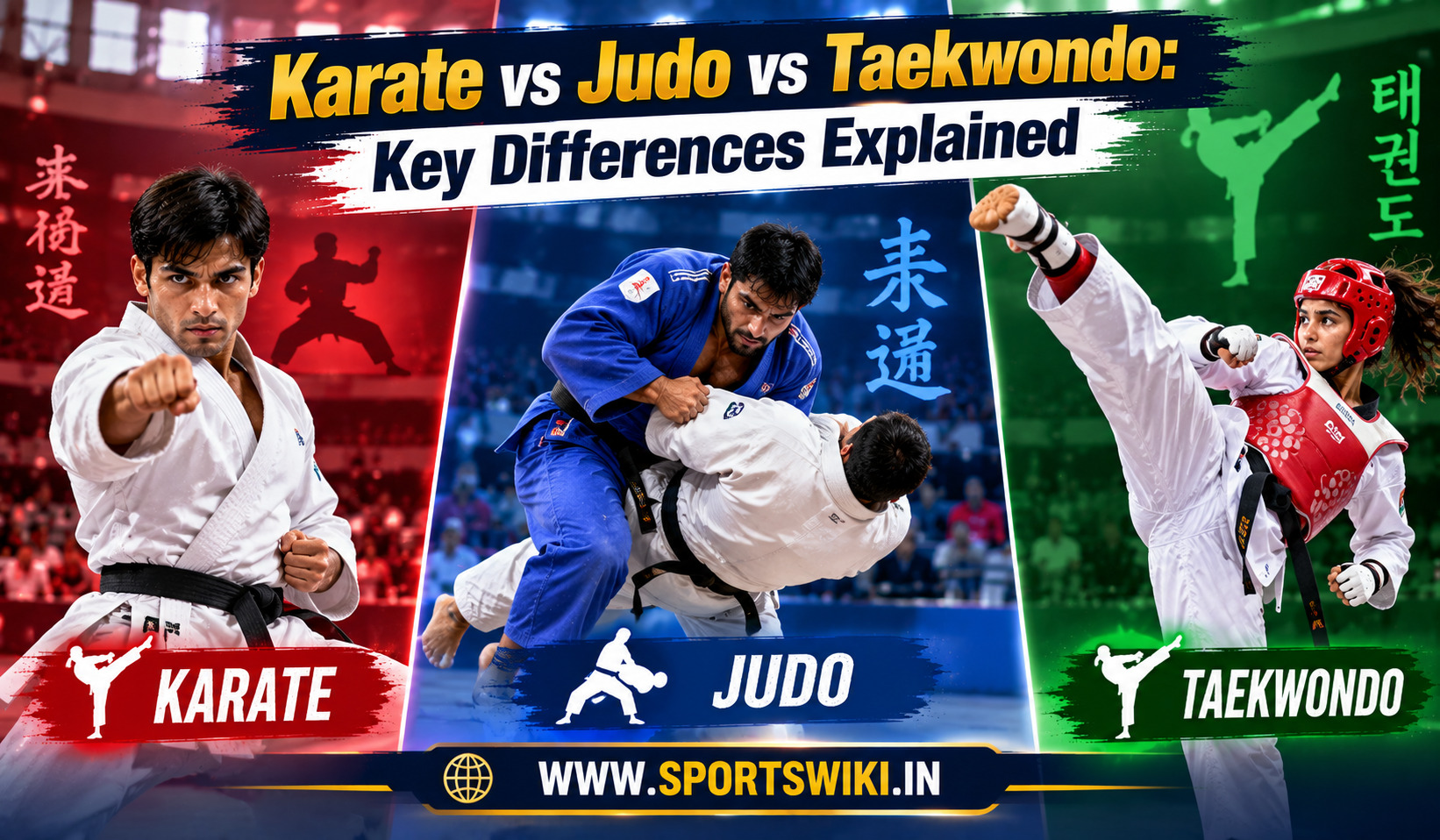
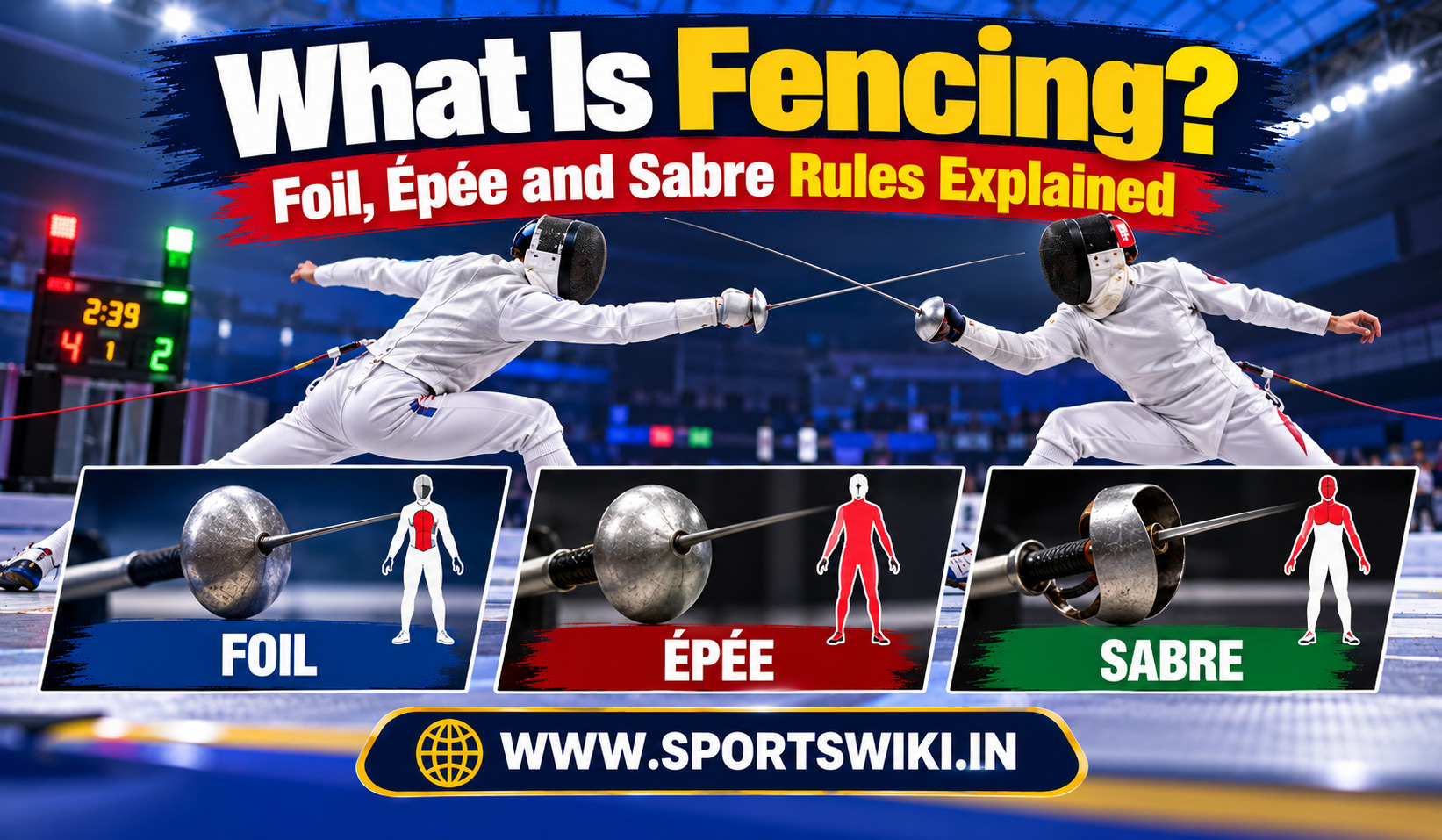
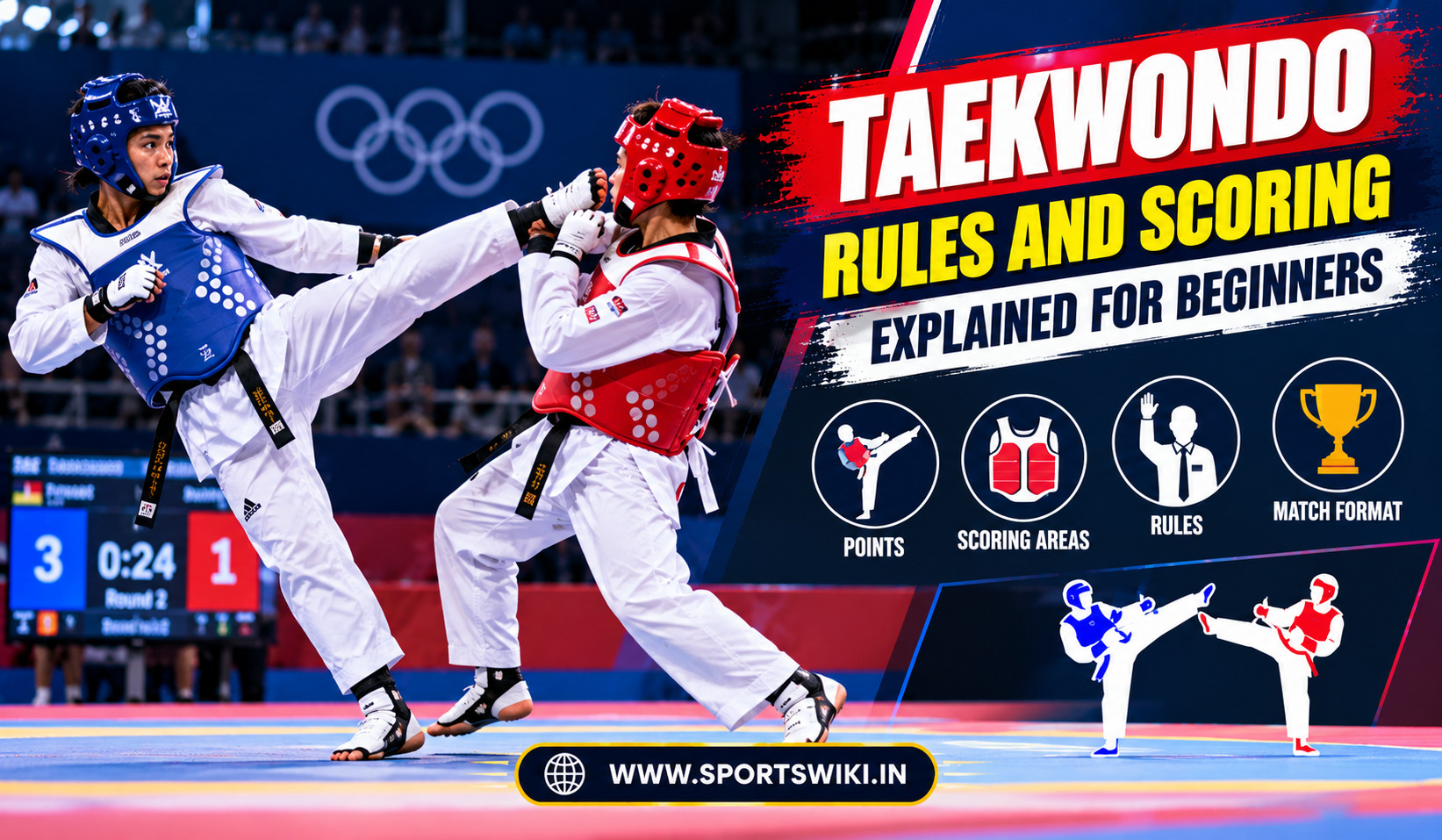
For fans comparing martial arts, our guide to karate vs judo vs taekwondo shows how judo differs from striking arts. If you’d like to see how another Olympic combat sport scores points, read our explainer on taekwondo rules and scoring. Meanwhile, fans of armed sport can start with what is fencing. Of course, each sport has its own rhythm and its own rulebook.
Key Takeaways
- Top score: Ippon ends the match instantly, and two waza-ari also make an ippon.
- Pin times: A hold scores at five to nine seconds for yuko, 10 for waza-ari and 20 for ippon.
- Match length: Four minutes, followed by golden score if the scores are level.
- Penalties: Two shido are warnings, and the third becomes hansoku-make.
- Belts: Kyu grades run up to black, and dan grades start at black belt.
FAQs
What is judo in simple terms?
Judo is a Japanese martial art and Olympic sport where fighters throw, pin or submit each other without striking.
How do you win a judo match?
You win by scoring an ippon, by leading on points at the end, or when the opponent is disqualified.
How long is a judo match?
A senior match lasts four minutes of fighting time, with golden score if the scores are level.
Does judo use punches or kicks?
No, judo focuses on throws, pins, chokes and arm locks rather than strikes.
What does the black belt mean in judo?
A black belt marks the first dan grade, which shows a high level of skill and experience.
Conclusion
So, what is judo at its heart? It’s a sport of timing, balance and respect, where one clean throw can end a match. Once you know ippon, waza-ari, yuko and the shido ladder, the rules make sense quickly. Because the 2026–28 rules are now in place, there’s never been a better time to start watching.